This is an official government website.

Earthquake Safety

What's the Situation?

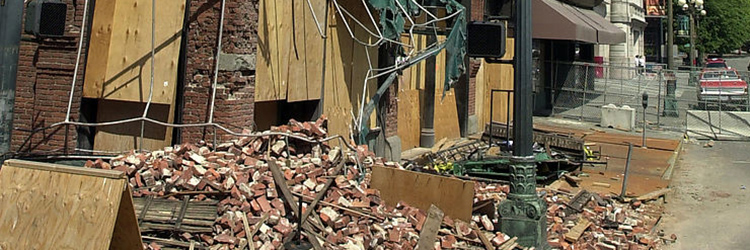
Earthquakes are the most serious hazard facing Seattle. Unlike other potentially catastrophic hazards, Seattle has had and will experience powerful earthquakes.

How to Stay Safe

If you know of someone who is unable to understand, see, or hear this message, please tell them about it.
  • Expect aftershocks. When you feel the ground moving, get under a table or find a sturdy piece of furniture. Stay away from windows. Crouch low against an inside wall.
  • Stay off the phones and do not call 9-1-1 for information. Hang up any phones you see that may be off the hook. Phone systems have been overwhelmed, but you may be able to send a text message.
  • Get out your emergency supplies, including bottled water, flashlights and batteries. It may be several days before power or water can be restored to your area. Be ready to stay on your own for the next few days.
  • Work together so everyone stays safe. Help each other and neighbors around you.
  • Listen to the radio for updates on emergency information.
  • Never use charcoal grills or portable gas camp stoves indoors. The fumes are deadly.
  • Do not enter damaged buildings. If you are in a damaged building, go outside and quickly move away from the building.
  • Check with your local utility about the safety of your drinking water and use of the sewer system.
Once you are safe, pay attention to local news reports for emergency information and instructions via battery-operated radio, TV, social media or from cell phone text alerts.

Register on the American Red Cross Safe and Well website so people will know you are okay. Or use any of your social media channels like Facebook and Nextdoor.

What Does the City Do during an Earthquake Response?

  • The City will address immediate life/safety rescue operations.
  • The City will coordinate with governmental and non-governmental partners and the community itself to manage the safety demands.
  • The Seattle Fire Department (SFD) will prioritize firefighting, urban search and rescue, and emergency medical care.
  • Seattle City Light (SCL) crews assess damage, fix and restore power outages, and respond to downed wires.
  • Seattle Public Utilities (SPU) crews will respond to critical infrastructure needs; and assess drinking water and sewer system damage and drinking water safety.
  • The Seattle Department of Construction and Inspections will respond to reports of damaged buildings.
  • The Seattle Department of Transportation (SDOT) ensure safety routes to hospitals and emergency/first responder access, and inspect bridges.